


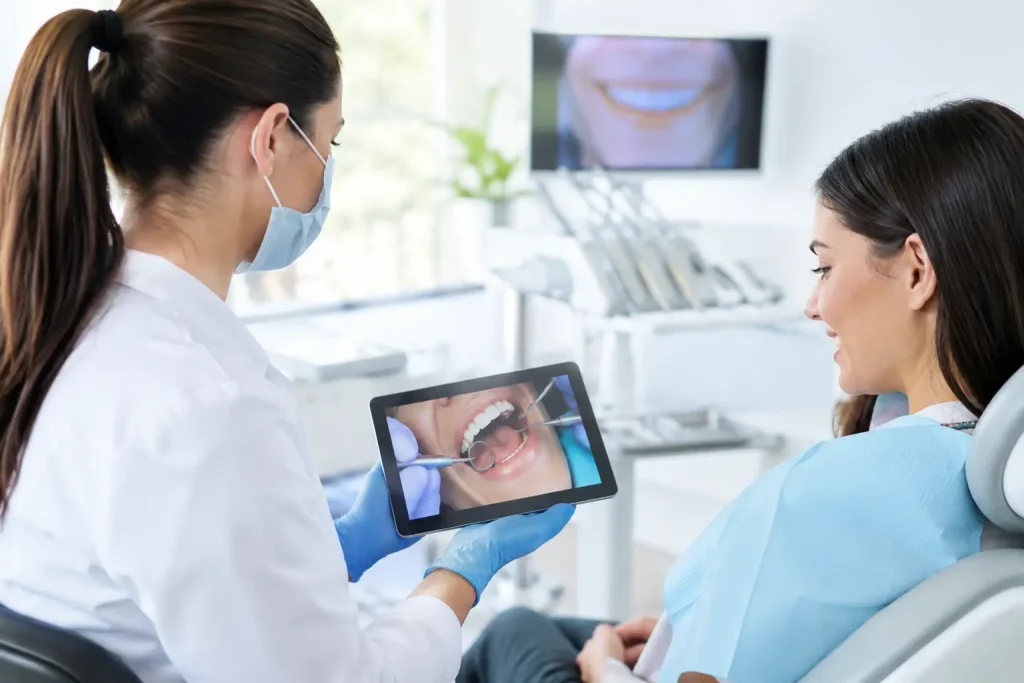
A prospective patient can compare five dental practices in less time than it takes to schedule an appointment. They see reviews, photos, office hours, and prices where available. What often decides the call is whether a practice feels credible, calm, and welcoming. Dental video production gives people that confidence before they ever step through your door.
For practices competing in a crowded local market, video is not simply a branding extra. It can answer common concerns, introduce the people behind the practice, show the environment, and make high-value treatments easier to understand. Done well, it supports the entire patient journey – from a Google search to a website visit, social media engagement, and a booked consultation.
Why dental video production earns attention
Dental care is personal. A patient may be anxious about pain, embarrassed about their smile, uncertain about treatment costs, or skeptical after a poor experience elsewhere. Stock photography and generic claims cannot always overcome that hesitation. A real dentist speaking clearly in their own office can.
Video makes intangible strengths visible. Patients can see a clean, modern practice, meet the hygienists and front-desk team, understand how technology is used, and get a sense of the office culture. This is especially valuable for services that require trust before commitment, including implants, cosmetic dentistry, orthodontics, sedation dentistry, and full-mouth reconstruction.
The commercial value is straightforward: stronger trust can improve the quality of inquiries. Rather than attracting only price shoppers, a useful treatment video helps prospective patients understand the value of care before they call. Your team then spends less time repeating basic explanations and more time helping qualified patients take the next step.
Video also gives your marketing more material to work with. One professionally planned shoot can supply website content, Google Business Profile posts, social clips, paid advertising creative, email campaigns, waiting-room screens, and recruitment content. That matters for practices that are tired of paying separate vendors to create disconnected pieces of marketing.
The videos that move patients closer to booking
The right video plan depends on your practice goals, treatment mix, local competition, and capacity for new patients. A general dentist trying to increase hygiene appointments needs different content than an implant-focused practice seeking high-value consultations.
A practice introduction video is often the best place to start. It should quickly show the office, introduce the dentist and team, explain the patient experience, and give viewers a clear reason to contact the practice. Keep it natural. Over-scripted delivery can feel less trustworthy than a concise conversation in the dentist’s own voice.
Treatment videos are powerful when they answer the questions patients actually ask. An implant video might explain candidacy, the consultation process, expected timeline, and what makes your approach different. A cosmetic dentistry video can show the planning process and discuss realistic outcomes without promising a perfect result for every patient.
Patient testimonials can be effective, but only when they feel specific and authentic. A patient describing how they returned to eating comfortably or stopped hiding their smile carries more weight than a vague statement that the team was “great.” Always obtain written permission, protect patient privacy, and avoid claims that imply every patient will achieve the same result.
Short-form social videos serve another purpose. They keep the practice visible between major campaigns and can make dentistry more approachable. A quick explanation of what happens at a first visit, a tour of new technology, or a dentist answering one common question can perform well because it is useful rather than overly promotional.
Plan the message before the cameras arrive
A polished camera setup cannot fix an unclear offer. Before production begins, decide what business result the video should support. That could be more new-patient exams, more implant consultations, greater awareness of Invisalign treatment, or a stronger reputation in a specific local area.
Start with the audience. A nervous parent looking for a family dentist needs reassurance about comfort, convenience, and care for children. A professional considering veneers may want to understand the design process, the dentist’s experience, and what a natural-looking result involves. When one video tries to speak to everyone, it usually connects with no one.
Next, identify the action you want viewers to take. A homepage video may encourage visitors to request an appointment. A paid ad for dental implants may invite a consultation. A social video can prompt viewers to visit your profile, call the office, or learn more about a service. The call to action should be clear, realistic, and matched to the stage of the patient journey.
Production planning should also include practical details. Select team members who are comfortable on camera, schedule filming during a quieter period, prepare the reception and treatment areas, and make sure branded uniforms, signage, and equipment look their best. Small details influence how professional the finished video feels.
What professional production should include
Quality dental video production is more than filming a few clips in the office. It requires a plan for messaging, filming, editing, sound, graphics, captions, and distribution. Poor audio, shaky footage, harsh lighting, or a confusing message can undermine the trust you are trying to build.
A good production process begins with a discovery conversation about your practice, services, differentiators, target patient, and marketing goals. From there, the team can create a practical filming outline rather than forcing every word into a rigid script. Most dentists are more convincing when they can speak from talking points in short sections.
During filming, prioritize clean lighting, clear sound, and real interactions. Capture exterior shots so local patients recognize the location, then show the reception area, treatment rooms, technology, and team. If patients are included, written releases and careful privacy controls are non-negotiable. Never show protected health information, charts, computer screens, or identifiable patient details without the appropriate authorization.
Editing should produce multiple usable versions. A longer website video may run 60 to 90 seconds, while paid social ads and organic reels often need 15 to 30 second cuts. Add captions because many people watch without sound. Keep branding consistent, but do not let animated logos and graphics overwhelm the human message.
Where your videos should work hardest
Publishing a video once on social media is not a complete strategy. The strongest results come when each video is placed where it can support a specific conversion path.
Your website is a priority. A practice overview video can strengthen a homepage, while treatment-specific videos belong on relevant service pages. A visitor researching implants should not have to hunt through a generic social feed to find an explanation of the process.
Google Business Profile can benefit from fresh visual content that reinforces activity and credibility in local search. Short videos can also support social media management by giving your practice original material instead of a feed built entirely from stock graphics and holiday posts.
For paid campaigns, video can improve the first impression and help pre-qualify prospects. However, it is not automatically the right choice for every budget. Search advertising may deliver faster intent-based leads for an urgent service, while video advertising can be more useful for building awareness of elective treatments. The right mix depends on your local demand, offer, competition, landing page, and ability to follow up quickly.
Measure more than views
A video with thousands of views is not necessarily a successful video. For a local dental practice, the real questions are whether video visitors stay on the site longer, contact the office, request an appointment, and become patients.
Track performance through website conversions, calls, form submissions, consultation bookings, paid campaign results, and where possible, new-patient revenue. Review results alongside other marketing activity. If implant inquiries increase after a dedicated video campaign, look at the full path: ad engagement, landing-page behavior, calls, scheduled consultations, and accepted treatment plans.
This reporting also reveals when adjustments are needed. A strong video may fail to produce leads if the landing page is weak, the offer is unclear, or the front desk cannot respond promptly. Marketing should not be treated as isolated tasks. It works best as one managed system with creative, local visibility, advertising, website performance, and reporting working together.
Make your next video a business asset
The most effective dental videos do not chase trends for the sake of it. They make prospective patients feel informed, comfortable, and ready to contact a practice they can trust. Start with the treatment or audience that represents the clearest growth opportunity, build the message around real patient concerns, and give the finished content a defined role across your marketing.
TASProMarketing helps practices turn professional video into a measurable part of patient acquisition, not another file left unused after filming. A focused production plan can give your practice the proof, personality, and clarity local patients need to choose you with confidence.