


A chair that sits empty at 2 p.m. is not a clinical problem. It is a patient-acquisition problem. The strongest dental advertising ideas do more than generate impressions or likes. They put the right local patients in front of your practice, give them a reason to choose you, and make booking simple.
For most dental practices, the goal is not to market everywhere at once. It is to create a coordinated system that captures high-intent searches, builds trust before the first call, and keeps your schedule moving without wasting budget on patients who are outside your service area or a poor fit.
1. Own High-Intent Google Searches
When someone searches “emergency dentist near me,” “dental implants,” or “Invisalign provider,” they are not casually browsing. They are looking for a solution now. Google Ads can put your practice in front of these patients immediately, while local SEO builds lasting visibility in the organic results.
Separate campaigns by service line rather than sending every click to a generic home page. An implant ad should lead to an implant page with clear benefits, before-and-after proof where appropriate, financing information, and one obvious way to request a consultation. Emergency dental ads should emphasize availability, fast response, and easy calls from a mobile device.
The trade-off is cost. Competitive services can carry expensive click prices, so success depends on call tracking, form tracking, negative keywords, geographic targeting, and regular budget adjustments. A campaign should be judged by booked patients and production potential, not clicks alone.
2. Turn Your Google Business Profile Into a Patient Funnel
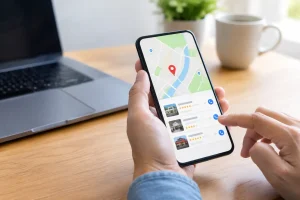
Your Google Business Profile often becomes a prospective patient’s first impression of your practice. It appears in Maps, local search results, and branded searches, where people compare hours, reviews, photos, services, and convenience in seconds.
Keep every detail current: office hours, holiday availability, phone number, appointment link, services, insurance information, and accurate categories. Add real photos of your reception area, treatment rooms, team, exterior signage, and dentists. Stock images may look polished, but authentic images reduce uncertainty for a patient who has never visited.
Reviews are equally important. Build a consistent review-request process after positive appointments, and respond professionally to every review. Never offer incentives for positive reviews or pressure patients into sharing private clinical details. A steady, credible review profile is more valuable than a sudden spike that looks manufactured.
3. Promote a New-Patient Offer With a Clear Business Case
A new-patient offer can produce calls quickly, especially for general dentistry practices building their patient base. The offer must be specific, financially sensible, and easy to understand. A vague “special promotion” creates questions. A clear exam, X-rays, and cleaning offer with transparent eligibility gives people a reason to act.
Do not make the mistake of chasing discount shoppers without considering lifetime value. Your front desk should be prepared to convert the first visit into a long-term relationship through excellent service, clear treatment planning, and convenient follow-up scheduling. The offer opens the door. The patient experience determines whether the relationship becomes profitable.
4. Use Video to Remove Fear Before the Appointment
Dental decisions are emotional. Patients may be worried about pain, cost, embarrassment, or simply being judged for delaying care. A short video from the dentist can address those concerns far more effectively than a block of marketing copy.
Create practical videos that answer the questions patients actually ask: what happens during an implant consultation, how sedation dentistry works, what to expect from a first visit, or how quickly an emergency patient can be seen. Keep the tone calm and direct. Professional production helps, but clarity and authenticity matter more than cinematic effects.
Use these videos on service pages, paid social campaigns, waiting-room screens, and follow-up emails. One well-planned shoot can produce multiple assets rather than becoming a one-time expense.
5. Build Service-Specific Landing Pages
Sending paid traffic to a website that buries key details costs money. Each high-value service needs a focused landing page built around the patient’s decision process. For cosmetic dentistry, that may mean outcomes, candidacy, timelines, and financing. For emergency dentistry, it means urgency, hours, location, and a click-to-call option.
A strong page includes a clear headline, real practice credentials, relevant patient proof, frequently asked questions, and a simple form. It should also load quickly on mobile. If a patient has to pinch, zoom, hunt for your number, or wait for a slow page, the advertising spend that brought them there is at risk.
6. Run Local Social Campaigns Around Real Patient Needs
Social media is rarely the best channel for capturing urgent dental demand. It is, however, effective for building familiarity and creating demand for elective treatments such as whitening, veneers, Invisalign, and smile makeovers.
Target campaigns to a realistic radius around the office and use messages that match the service. A family dentist might highlight convenient scheduling, a welcoming team, and preventive care. A cosmetic practice might focus on confidence, treatment planning, and real transformations with the correct patient consent.
Avoid treating social media as a posting quota. A steady feed of generic holiday graphics does little for growth. Your content should show the people, standards, results, and personality that make the practice worth choosing.
7. Create a Referral Program Patients Will Actually Remember
Word of mouth remains one of the highest-quality sources of new dental patients because trust transfers before the first appointment. The problem is that happy patients often do not think to refer unless you make the process visible and simple.
Mention referrals during positive interactions, include a reminder in post-visit communications, and give patients a simple card or digital instruction they can share. Any referral incentive should be structured carefully and in line with applicable professional rules. Often, a modest account credit or a periodic patient appreciation drawing is enough to create momentum.
Your staff matters here. A warm, organized front-desk experience generates more referrals than any printed referral card can.
8. Reconnect With Patients Who Have Gone Quiet
Your existing database is one of the most overlooked advertising assets in the practice. Patients who are overdue for hygiene visits, unfinished treatment, or a recommended consultation already know your name. Reaching them is usually more cost-effective than finding a stranger.
Use segmented email and text campaigns instead of sending one broad message to everyone. A patient overdue for a cleaning needs a different message than someone who asked about implants six months ago. Keep reminders useful, respectful, and compliant with communication consent requirements.
This is also where tracking matters. Measure reactivated patients, scheduled treatment, and revenue, not only email open rates.
9. Market Your Emergency Availability Aggressively
If your practice can accommodate same-day emergencies, make that fact impossible to miss. Emergency patients search quickly, call quickly, and often become long-term general dentistry patients if their first experience is handled well.
Use dedicated search ads, a prominent website message, accurate after-hours instructions, and trained call handling. Advertising an emergency service without someone available to answer calls is a costly missed opportunity. Before increasing budget, confirm that operational capacity matches the promise.
10. Use Community Visibility to Build Familiarity
Local sponsorships, school partnerships, community events, and targeted direct mail can still work for dentistry, particularly in neighborhoods where the practice wants deeper recognition. The key is selection. A broad event with no connection to your service area may create visibility without appointments.
Choose opportunities where your likely patients already spend time. Then support offline activity with digital follow-up: location-specific social content, a dedicated offer, QR codes, and branded search campaigns. Traditional and digital advertising perform better when they reinforce each other.
11. Track Calls, Forms, Consultations, and Production
The best dental advertising ideas fail when reporting stops at traffic. Your practice needs visibility from the first click or impression through to a booked appointment, attended consultation, accepted treatment, and collected revenue where possible.
Review source data monthly. Which campaigns produce calls? Which calls become appointments? Which services create the strongest return? This information protects your budget and gives you the confidence to scale what is working rather than making decisions based on guesswork.
A complete marketing partner should be willing to explain the numbers in plain language. You should never be asked to keep spending without knowing what that spend is producing.
12. Coordinate the Entire Patient Journey
The most profitable dental advertising is rarely one tactic. It is a connected system: a patient sees your ad, checks your reviews, visits a fast service page, calls a helpful team member, receives clear follow-up, and returns for future care.
That is why disconnected vendors can become expensive. One company runs ads, another manages the website, and no one owns the outcome. TASProMarketing helps practices bring those moving parts into one accountable marketing system, with measurable activity and practical support built around growth.
Start with the service you most need to grow, the geography you can serve well, and the patient journey that follows the first inquiry. When every part of that journey supports the next, marketing stops being another expense to manage and becomes a dependable source of future patients.