


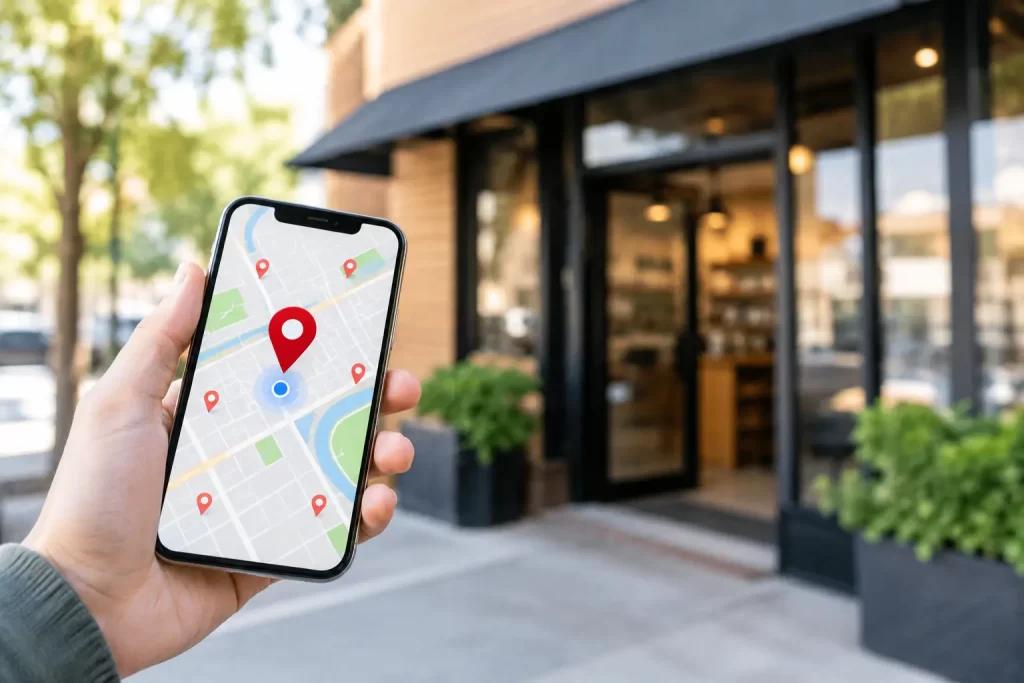
A nearby customer searching “emergency dentist open now” or “roof repair near me” is not looking for marketing jargon. They are looking for a business they can contact with confidence. The best local SEO examples turn that high-intent search into a phone call, form submission, appointment, or visit – and give business owners a clear way to measure what their marketing is producing.
Local SEO is not one task checked off once a year. It is the coordinated work of making your business accurate, credible, visible, and easy to choose wherever local customers search. For a dental practice, home service company, law firm, or local retailer, the difference can be a steady flow of qualified leads rather than an expensive website that sits quietly in the background.
1. A Complete Google Business Profile That Answers Questions
A Google Business Profile is often a prospect’s first interaction with a local company. A strong profile does more than display an address. It confirms the services offered, areas served, business hours, photos, reviews, and contact options before the customer ever visits a website.
Consider a family dental practice competing in a crowded suburb. Its profile lists “family dentistry” but does not mention emergency appointments, dental implants, Invisalign consultations, or new-patient offers. A competitor includes each of those services, posts current office photos, answers common questions, and keeps holiday hours updated. When someone searches for a specific treatment, Google has clearer evidence about which practice is relevant.
The practical lesson is simple: build the profile around the services people actually search for, not internal business language. Add accurate categories, service descriptions, appointment options, fresh photos, and regular updates. Incorrect hours or an unmonitored review section can cost leads just as quickly as weak rankings.
2. Service Pages Built for How Customers Search
One generic “Services” page rarely gives a business enough opportunity to rank for valuable local searches. Customers do not always search for a company type. They search for solutions: “water heater replacement,” “same-day crown,” “business tax accountant,” or “kitchen cabinet installation.”
A plumbing company, for example, may create individual pages for drain cleaning, sewer line repair, leak detection, water heater installation, and emergency plumbing. Each page explains the service, answers the questions that delay a call, includes the areas served, and makes contacting the company easy.
This is not a case for producing dozens of thin pages with a city name swapped into every paragraph. That approach offers little value and can create duplicate content problems. The page should earn its place by being genuinely useful. Include the process, likely timing, relevant qualifications, common cost factors, and clear next steps. A visitor who understands what happens after calling is more likely to convert.
3. Location Pages That Reflect Real Service Areas
Businesses with multiple locations or well-defined service territories need a local structure that matches reality. A physical therapy group with offices in three cities should have a dedicated, accurate page for each office. Each page can include local contact details, clinician information, hours, parking guidance, services offered at that location, and original patient-focused content.
Service-area businesses require more care. A roofer may serve several neighboring towns without having a staffed office in each one. In that case, useful area pages can work well when they explain actual availability, local project experience, weather-related concerns, permit considerations, or service logistics. They should never pretend there is an office where none exists.
Credibility matters more than coverage claims. Google and customers can both spot a business trying to look local everywhere. Focus on the markets your team can serve profitably and reliably.
4. Consistent Business Listings Across the Web
A customer finds a business on Google, then sees a different phone number on a directory site, an old address on Apple Maps, and outdated hours on Facebook. That uncertainty creates friction at the exact moment they are deciding whether to contact you.
A strong local SEO program checks and corrects the business name, address, phone number, website, categories, and hours across important directories and industry platforms. For a dentist, that may include health and appointment directories. For a contractor, it may include trade-specific profiles. The goal is not to chase every directory ever created. It is to control the listings that influence visibility and customer trust.
Consistency also protects your reporting. If different tracking numbers, locations, or old URLs are scattered across the web, it becomes harder to identify where leads originated and which marketing activity deserves more investment.
5. Reviews Used as a Conversion Asset
Reviews influence map visibility, but their bigger commercial value is persuasion. A five-star rating helps. Specific reviews that describe a painless procedure, fast response, transparent pricing, clean office, or professional crew help a prospect imagine a good outcome.
A local HVAC company can build a reliable review process by requesting feedback after completed work, making the request simple, and responding professionally to every review. The business should not offer incentives for positive reviews or pressure customers to change honest feedback. The objective is an authentic, steady review profile.
Responses matter, especially when a review is negative. A calm response that acknowledges the concern and offers an appropriate path to resolve it signals accountability. Do not argue publicly or disclose customer details. A difficult review handled well can improve trust more than silence.
6. Local Content With a Business Purpose
Local content is useful when it supports a real customer decision. A cosmetic dentist might publish guidance on planning treatment before a wedding, a local moving company might explain busy-season scheduling in its service region, and an accounting firm might cover state filing deadlines that affect its clients.
The best content is not written merely to mention a city name. It helps a prospective customer assess a need, plan a purchase, or avoid a problem. That relevance can bring in informational search traffic and, over time, strengthen the website’s authority around the services that generate revenue.
A good test is whether a receptionist, sales team member, or technician would actually share the article with a customer. If the answer is no, it may be content for search engines rather than content that supports the business.
7. Fast, Mobile-First Pages That Make Calling Easy
Local searches frequently happen on a phone, often when time is limited. A person with a burst pipe, tooth pain, or locked-out vehicle will not wait for a slow page, hunt through a cluttered menu, or complete a long form.
A well-built local website puts key actions within reach: tap-to-call buttons, clear service information, a short quote or appointment form, visible business hours, and trust signals such as licensing, certifications, financing options, or patient testimonials where relevant. The site must also work properly after updates. Broken forms and phone links can erase the value of otherwise successful SEO.
This is where local SEO and website management meet. Rankings bring opportunities. A reliable website turns those opportunities into leads.
8. Local SEO Examples for Reputation and Community Signals
Local relevance can also come from legitimate community involvement. A law firm sponsoring a youth sports program, a dentist participating in a school wellness event, or a contractor supporting a neighborhood restoration project has a story worth documenting. Share original photos, practical details, and the reason the business participated.
The value is not in forcing promotional language into every community activity. It is in showing that the business is established, active, and trusted in the areas it serves. Those signals can support brand recognition, word-of-mouth referrals, social media content, and potentially local media coverage.
Keep the effort proportionate. A small business does not need an elaborate PR campaign. Consistent participation and truthful documentation are more valuable than one staged announcement.
9. Reporting That Connects Visibility to Revenue Opportunities
The strongest local SEO example is not a ranking screenshot. It is a report that shows how visibility produced business activity: calls from Google Business Profile, direction requests, website form submissions, booked consultations, and qualified leads by location or service.
A dental office may see that implant-related pages generate fewer visits than general dentistry pages but produce more consultation requests. A home service company may find that emergency service calls convert best in certain ZIP codes. Those insights should influence budgets, content priorities, paid search targeting, staffing, and follow-up procedures.
Rankings still matter, but they are a leading indicator, not the finish line. Search positions can vary by location, device, and user behavior. Measure what happens after the click or call, then make decisions based on outcomes.
Make Local Visibility Part of the Full Growth System
Local SEO performs best when it is connected to the rest of your marketing. Your Google Business Profile, website, reviews, paid campaigns, social proof, and lead follow-up should tell the same clear story about why nearby customers should choose you. When one piece is neglected, the others have to work harder.
TASProMarketing helps businesses manage that full workload with measurable reporting and practical support, so owners can stay focused on serving customers. Start with the local search opportunities closest to revenue, fix the gaps that are costing calls now, and build from there.


