


Why Email Automation Flows Outperform Generic Newsletters
In the discipline of digital marketing, it is easy to focus on large-scale, top-of-funnel campaigns. However, the most profitable and sustainable growth often originates from the intelligent systems working quietly in the background, driven by well-crafted email automation flows. This strategy moves beyond the generic newsletter blast and into the realm of delivering a specific, relevant message to a specific person at a precise, opportune moment—all automatically.
For service-based businesses in Richmond Hill, this capability is transformative. At TASProMarketing, we understand that a new lead is not a one-time event, but the beginning of a potential relationship. While a great website can capture initial interest, a sophisticated strategy for email automation flows is what is required to nurture that interest into a loyal, high-value client. This guide will explore how to design the critical triggers and sequences that drive real, measurable conversions.
From One-to-Many to One-to-One: The Power of Personalized Automation
The fundamental power of this marketing approach is its ability to personalize communication at scale. A generic email is, by its nature, speaking to no one in particular. An automated flow, conversely, is initiated by a specific action a contact takes (or fails to take), which allows for a message that is hyper-relevant to their immediate context.
This is the core principle of effective email automation flows. The process involves mapping the critical moments in your customer’s journey and designing a pre-built sequence of communications that logically guides them to the next step. In addition, it is a system that functions on your behalf 24/7, ensuring that no lead-nurturing opportunity is ever missed.
Top Email Automation Flows for Service-Based Businesses
The intelligence of automation begins with the “trigger”—the specific event that enrolls a contact into a particular sequence. Here are three of the most powerful triggers that every service-based brand should leverage.
1. The Abandoned Form Flow: Recover High-Intent Leads
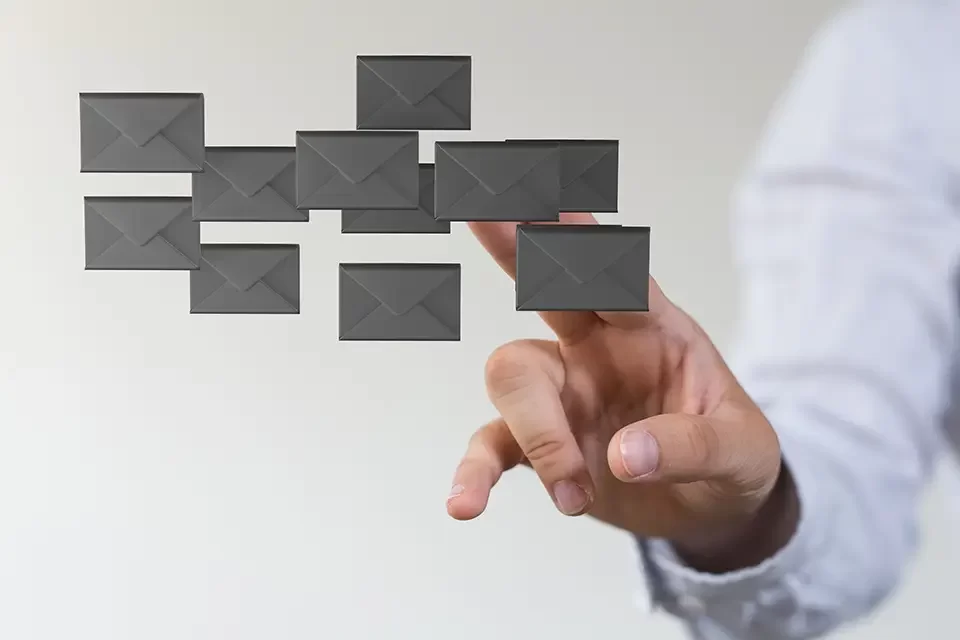
A prospective client begins to fill out your “Request a Consultation” form, but never submits it. This individual is a highly qualified lead who likely experienced a distraction or a moment of hesitation. Moreover, this is a critical moment to re-engage.
- The Trigger: A user enters their email into a form field but abandons the page without submission.
- The Sequence:
- Email 1 (2-4 hours later): A professional, low-pressure follow-up. “Hello [Name], I noticed you started to get in touch. Should you have any questions, please feel free to reply to this email.”
- Email 2 (2 days later): A reminder of the value proposition. “Just a reminder that our complimentary consultation provides [Benefit 1] and [Benefit 2]. Here is a link to our calendar should now be a more convenient time.”
- Email 3 (4 days later): A final, value-added resource. “Here is a case study detailing how we assisted a client with a similar challenge. We are here to help if you are ready to discuss your project.”
2. The Re-Engagement Flow: Reviving Inactive Contacts
Your database contains past clients or old leads who have not engaged in several months. Additionally, they have a pre-existing awareness of your brand; they simply require a relevant reason to re-engage.
- The Trigger: A contact has not opened an email or visited your website in a defined period (e.g., 90 days).
- The Sequence:
- Email 1: A simple, value-first check-in. “Hello [Name], we recently published a new article on [Relevant Business Topic] that we thought you might find insightful.”
- Email 2 (1 week later): A new offering or opportunity. “We have just launched [New Service] that may be of interest to you. As a past contact, we would be pleased to offer you an exclusive introductory consultation.”
- Email 3 (2 weeks later): A list hygiene and final-offer email. “We are updating our contact list. If you are no longer interested in receiving our communications, no action is needed. Otherwise, we look forward to staying in touch.”
3. The Upsell and Cross-Sell Flow: Maximizing Client Lifetime Value
Your client has just successfully completed a project with you. Their satisfaction and trust are at a peak. This is the ideal moment to introduce them to the next logical service in your portfolio.
- The Trigger: A project is marked as “complete” in your CRM or project management system.
- The Sequence:
- Email 1 (1 week after completion): A thank you and a strategic introduction. “Thank you again for your partnership on [Project]. Also, many of our clients who complete this service find that [Next Logical Service] is the perfect next step to protect or enhance their investment.”
Best Practices for Writing Authentic, High-Converting Automated Emails
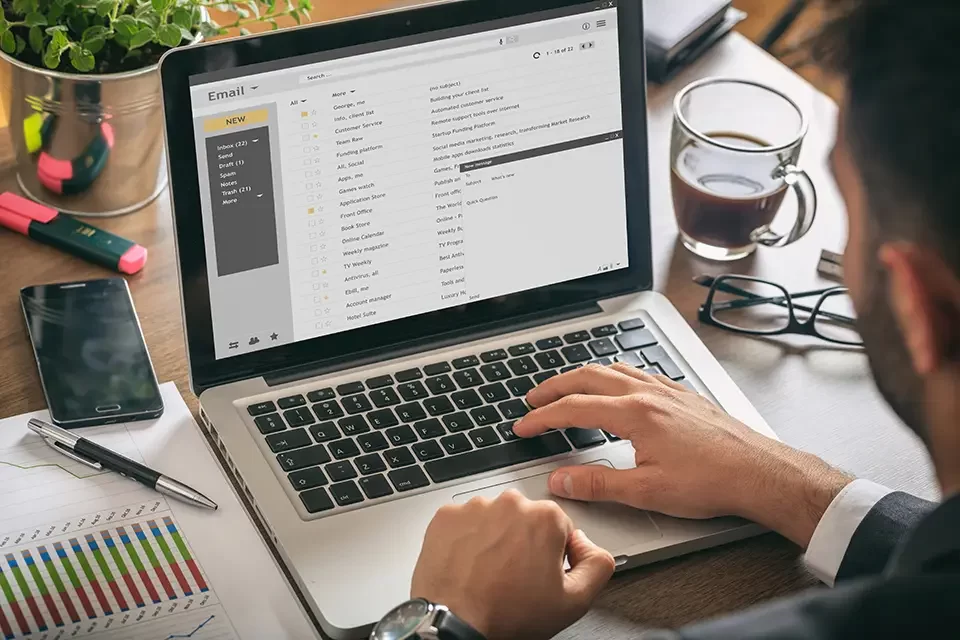
It is crucial to remember that automation is a tool to facilitate, not replace, human connection. Moreover, the most successful email automation flows are those that do not feel automated.
Every email should be written with a genuine, professional, and helpful tone. Personalization, such as using the contact’s name and referencing their specific action, is essential. Most importantly, every communication must provide tangible value. Do not simply ask for a sale; offer a helpful tip, a valuable resource, or a relevant insight. This is the methodology for building the trust that is a prerequisite for conversion.
Conclusion: Building Client Relationships Through Email Automation
In a competitive marketplace, the businesses that succeed are those that build the strongest client relationships. Email automation flows are your most scalable and effective tool for achieving this. Furthermore, by delivering timely, relevant, and valuable messages at critical moments in the customer lifecycle, you can systematically guide leads toward becoming clients, and clients toward becoming long-term partners.
Additionally, at TASProMarketing in Richmond Hill, Ontario, we specialize in designing and implementing sophisticated email automation flows that drive measurable growth for service-based businesses in Richmond Hill.
Ready to build an automated engine for your business growth? Contact TASProMarketing today for a professional consultation.
Frequently Asked Questions (FAQs)
1. Will automated emails seem robotic or intrusive?
Not if done right. Triggered by user actions and written with a professional, helpful tone, they feel personal and relevant—not like generic marketing blasts.
2. How many emails should be in a sequence?
Three to five emails is common. This creates several gentle touchpoints over time, guiding prospects forward without overwhelming them or making the sequence feel spammy.
3. Which automation flow should a new business start with?
An abandoned form or new lead nurture flow is most effective, targeting high-intent prospects to turn early interest into a paying client relationship quickly.