

Google’s pace hasn’t slowed, but its direction is clearer: helpful, verifiable content and trustworthy entities win. For agencies balancing deliverables and budgets, the real question is on-page vs off-page SEO—which gets priority right now, and how do you prove it? At TASProMarketing in Richmond Hill, Ontario, we’ve updated our playbook for 2025 to reflect what we see moving rankings and revenue today. Below, you’ll find a practical, testable way to sequence on-page vs off-page SEO so content, technical health, internal links, brand mentions, and authority-building work together (not compete). Expect specifics you can action this quarter, not vague platitudes.
On-Page vs Off-Page SEO: What Each Really Covers in 2025
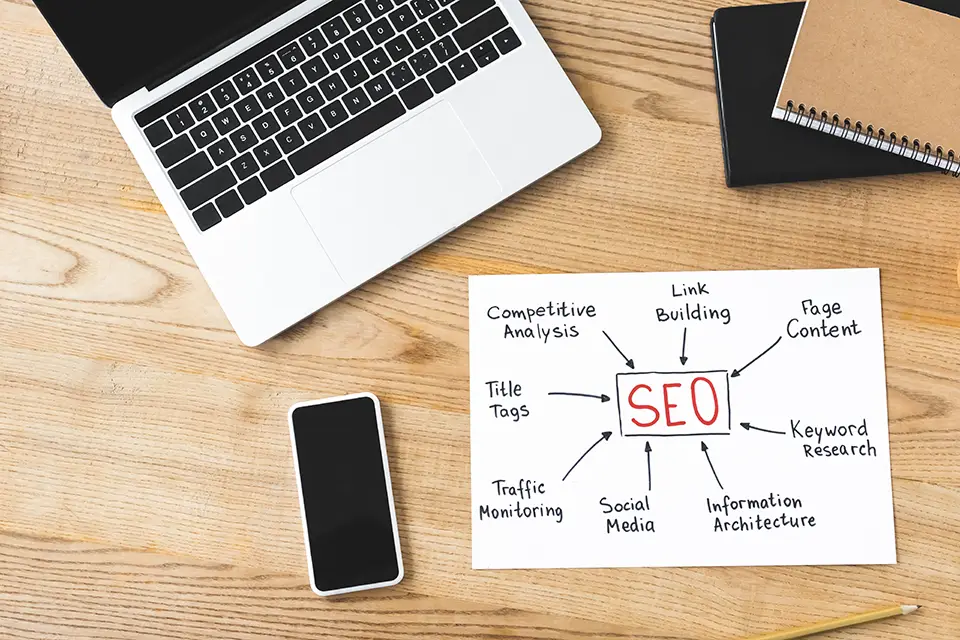
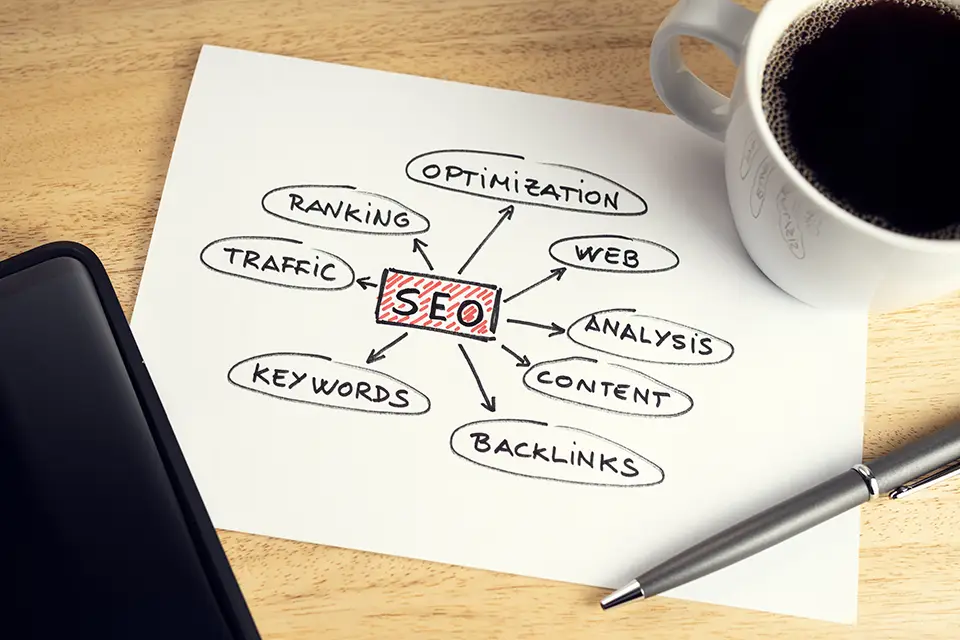
“On-page” is everything you directly control on the site: crawlability, UX, content depth, structured data, internal links, and conversion clarity. “Off-page” is what the web says about you: authoritative links, entity mentions, reviews, press, co-citations, and co-occurrence with relevant topics. Framed this way, on-page vs off-page SEO is less a debate and more a relay: on-page builds intent satisfaction and technical eligibility; off-page validates that your brand deserves to rank.
Signals Google Is Valuing Right Now (Short List)
A handful of levers consistently correlate with wins:
- Intent-Complete Pages: Searchers find the answer and the next step without pogo-sticking.
- Entity Clarity: Who you are, where you operate, and what you’re known for are machine-readable.
- Author & Source Transparency: Real names, credentials, and ways to verify them.
- Clean Technical Baseline: No crawl traps, fast LCP, stable CLS, and logical internal linking.
- Quality References: Contextual backlinks and unlinked mentions from credible, topic-adjacent sites.
These are the bones; the rest is polish.
On-Page vs Off-Page SEO: Technical Foundations That Still Move the Needle
A resilient technical layer multiplies every later effort.
- Crawl & Render:
- XML Sitemaps & Robots: No orphan islands; no blocked JS/CSS that affects rendering.
- Pagination & Facets: Clear rel/links or view-all equivalents to prevent duplicate bloat.
- Core Web Vitals:
- LCP/CLS/INP: Optimize images (modern formats, dimension hints), defer non-critical scripts, and stabilize layout.
- Information Architecture:
- Topic Clusters: Hub pages with spoke articles, reinforced by internal anchors; this is where on-page vs off-page SEO begins to converge—clusters earn links more naturally.
- Structured Data:
- Organization/LocalBusiness, FAQ, Product, Article: Rich snippets increase SERP footprint and CTR without adding content bloat.
Content That Feels Human (and Proves It)
Searchers—and algorithms—reward lived detail: named tools, concrete steps, costs with variables, and outcome ranges. Use bylines, short author bios, and a single “Evidence & Editorial Standards” note where appropriate. Interleave screenshots, checklists, and internal references to related pages. In this context, mentioning on-page vs off-page SEO inside content isn’t keyword stuffing—it’s clarifying scope and connecting topics users actually compare when vetting agencies.
On-Page vs Off-Page SEO: Links, Mentions, and Entity Authority in 2025
Authority-building is evolving beyond raw backlink counts.
- Contextual Links Beat Site-wide:
- Editorial Context: Paragraph-level relevance from niche sites outweighs generic directory blasts.
- Brand + Service Co-Occurrence:
- Name + Topic Nearby: Even unlinked mentions help machines connect your brand to the problem space.
- Review & PR Flywheel:
- Local & Industry: Steady reviews, event sponsorships, and expert quotes create a lattice of credibility around your site—essential when weighing on-page vs off-page SEO investments.
- Safety & Authenticity Signals:
- Real Addresses, Policies, Photos, Team Pages: Thin brands struggle to convert links into rankings; sturdy brands do the opposite.
Measurement & Timelines: How to Prove Impact Internally
Leaders don’t fund hunches; they fund traction. Set a 90-day scoreboard:
- On-Page KPIs: % pages with <2s LCP, internal link coverage to money pages, FAQ/How-To schema coverage, non-branded CTR lift.
- Off-Page KPIs: Referring domains (topic-adjacent), brand mentions per month, average DA/DR of new links, and anchor diversity.
- Shared KPIs: Non-branded clicks, assisted conversions, and “content to lead” ratio.
- Tie improvements to a release log so the story of on-page vs off-page SEO remains auditable.
Local SEO in 2025: Multi-Location and Service-Area Realities
For Canadian businesses—especially across the GTA—local packs are ruthless about proximity, category accuracy, and page-level relevance.
- GBP Hygiene: Primary category alignment, products/services filled, geo-photos, UTM tagging on links.
- Location Pages with Substance: Team names, service menus, hours, parking, nearby landmarks—avoid boilerplate.
- Citations & Reviews: Fewer, cleaner citations beat mass submissions; steady, specific reviews beat sporadic praise.
This is where on-page vs off-page SEO meets reality: local on-page clarity invites local off-page proof.
The 90-Day Prioritization Plan (What To Do First)
Days 1–30 — Stabilize (On-Page First):
- Fix indexation (orphans, canonical errors, accidental noindex).
- Compress/resize hero media; preconnect/preload critical resources.
- Restructure top 10 money pages: clearer H1–H3, comparison tables, FAQs with schema, internal links from hubs.
Days 31–60 — Prove Relevance (Blend):
- Publish two topic hubs + 6 spokes; add author bios and source notes.
- Launch a review-request cadence and a light digital PR push (expert commentary, local press list).
- Secure 5–10 contextual links to hubs; measure non-branded CTR lift.
Days 61–90 — Compound (Off-Page Momentum):
- Expand spokes based on query mapping and “People Also Ask.”
- Co-marketing with adjacent brands (webinars, guides) to earn mentions.
- Refine internal linking using Search Console click data.
By sequencing on-page vs off-page SEO this way, you earn faster early wins and stronger compounding later.
Conclusion
In 2025, the false choice fades: on-page earns eligibility and conversion; off-page earns confidence and reach. Weight the mix by maturity—new or replatformed sites front-load technical and content; established brands accelerate authority with targeted mentions and PR. If you want a plan that leaders can sign off on (and analysts can measure), TASProMarketing in Richmond Hill can map your next 90 days: stabilize the site, publish intent-complete hubs, and run a light, credible authority campaign—so on-page vs off-page SEO becomes a flywheel, not a tug-of-war.
FAQs — On-Page vs Off-Page SEO
Which should I prioritize first—on-page or off-page?
For most brands, fix on-page eligibility first (crawl, speed, intent-complete content, internal links), then layer off-page authority. It’s easier to amplify a page that already answers the query.
Do links still matter in 2025?
Yes—contextual, topic-adjacent links and credible mentions remain strong validators. But they work best when the destination page is technically sound and genuinely useful, which is why on-page vs off-page SEO is a sequence, not a debate.
How do I measure off-page impact beyond DA/DR?
Track referring domain relevance, paragraph-level context, brand + service co-occurrence, and assisted conversions after publications or PR hits. Watch non-branded clicks to linked pages.